Strategy · 9 Nov 2026 · 10 min read
Best IT documentation system for small businesses
Discover the best IT documentation system to streamline your business processes and enhance operational efficiency. Learn how SystemMap can help.
By SystemMap
Why effective IT documentation is crucial for your business
In today's fast-paced business environment, having a robust IT documentation system is essential for any organisation, especially small and medium-sized businesses. Effective documentation helps teams understand their IT systems, manage recurring costs, and maintain compliance with various regulations. It eliminates confusion, decreases the risk of operational disruptions, and enhances overall efficiency.
A well-structured IT documentation system serves multiple functions: it acts as a reference guide for employees, assists in onboarding new team members, and aids in compliance audits by providing transparent records of IT assets and processes. Unfortunately, many businesses struggle with inadequate documentation practices, leading to lost time, increased frustration among staff, and potential compliance risks. This article will explore what makes the best IT documentation system, its features, and how SystemMap can be a valuable tool for your organisation.
Key features of the best IT documentation system
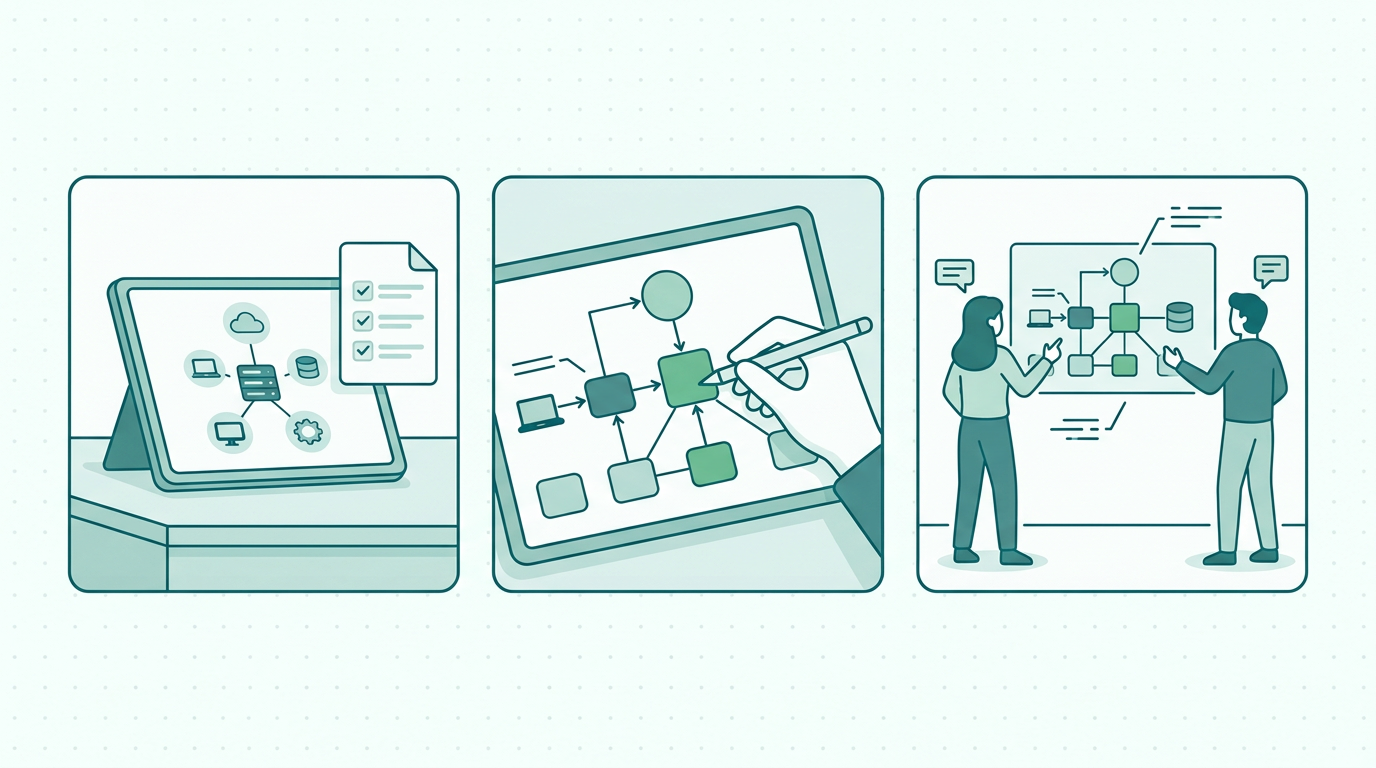
When evaluating IT documentation systems, certain features stand out as essential for ensuring that your documentation practices support your organisational goals. The best systems provide a visual representation of your IT landscape, allowing for easy understanding and management of data flows and system integrations. This visualisation is key, as it enables stakeholders to grasp complex information quickly, facilitating better decision-making. They should also include comprehensive documentation capabilities, enabling you to record system owners, costs, and contracts.
This ensures that all relevant information is captured in one place, making it accessible for future reference. Additionally, a robust system should support collaboration among team members, allowing multiple users to contribute to documentation easily and effectively. Providing version history to track changes over time is also crucial, as it allows organisations to maintain an audit trail of modifications, ensuring accountability and transparency. Lastly, the system should allow easy access to information, ensuring that team members can find what they need when they need it, which is vital for maintaining productivity.
The importance of visual mapping in IT documentation
Visual mapping is a crucial aspect of any effective IT documentation system. It allows businesses to create a clear and concise overview of their systems, which facilitates better decision-making and resource allocation. A visual representation simplifies complex data, enabling teams to see interdependencies and how various components interact within the IT environment. For instance, if a particular application is integral to multiple processes, understanding its role can guide decisions regarding upgrades or replacements.
Additionally, visual mapping can help identify dependencies and potential risks, enabling teams to proactively address issues before they escalate. This capability is especially important in environments where rapid changes are common, as it allows for agile responses to shifting business needs. SystemMap excels in this area by providing a visual mapping tool that integrates seamlessly with documentation, creating a unified view of your IT landscape. This integration not only enhances understanding but also supports strategic planning and risk management.
SystemMap: the ideal IT documentation solution
SystemMap is an innovative SaaS solution designed specifically for visualising and documenting your IT systems. It combines a comprehensive visual map of systems and data flows with detailed records of system owners, costs, contracts, and deadline reminders. By utilising SystemMap, businesses can streamline their IT documentation processes, reduce the time spent searching for information, and enhance collaboration among team members.
One of the standout features of SystemMap is its user-friendly interface, which allows even those with limited technical knowledge to create a visual overview of their systems and their interdependencies. This ease of use is particularly beneficial for small and medium-sized businesses, which often lack dedicated IT resources. Furthermore, SystemMap's ability to provide insights into system performance and potential bottlenecks can empower businesses to make informed decisions about their IT investments, ensuring that resources are allocated effectively.
Benefits of using SystemMap for IT documentation
Using SystemMap as your IT documentation system comes with numerous benefits that can significantly enhance your organisation's operational efficiency. Firstly, it centralises all relevant information, including system records, monthly costs, and contracts, into one accessible platform. This centralisation not only saves time but also ensures that everyone in your organisation has access to the same up-to-date information, thereby reducing the likelihood of miscommunication. Secondly, SystemMap's AI-assisted suggestions from uploaded documents help identify gaps in your documentation, enabling you to fill in missing details efficiently.
This feature is particularly useful for businesses that may have accumulated disparate documents over time, as it helps create a cohesive documentation strategy. Furthermore, the platform provides controlled snapshot sharing, allowing you to keep stakeholders informed without overwhelming them with unnecessary details. By integrating SystemMap into your operations, you can significantly enhance your documentation practices and drive better decision-making across your organisation. Additionally, the platform's reminders for contract renewals and deadlines help ensure that critical business processes are not overlooked, further contributing to operational reliability.
How to get started with SystemMap
Getting started with SystemMap is straightforward and user-friendly, making it an ideal choice for businesses unfamiliar with sophisticated IT documentation solutions. You can create an account and begin documenting the systems your business relies on with just a few clicks. The platform is currently free during its growth phase, allowing you to explore its capabilities without any upfront costs. There is no credit card required, making it an accessible option for small and medium-sized businesses looking to improve their IT documentation practices.
Once you have created your account, you can start building your visual map and documenting essential information about your IT systems. The intuitive design guides users through the process, making it easy to add system details, attach relevant documents, and set up reminders for important dates. As you become more familiar with the platform, you can leverage its advanced features, such as controlled sharing and version history, to further enhance your documentation processes.
The impact of effective IT documentation on operational efficiency
Effective IT documentation directly impacts your organisation's operational efficiency. By having a clear understanding of your IT landscape, teams can quickly identify bottlenecks, reduce downtime, and implement solutions more effectively. Moreover, with comprehensive documentation, businesses can better manage costs associated with software and hardware, leading to improved budgeting and financial planning. For instance, knowing the total cost of ownership for each system can help managers make informed decisions about future investments or potential upgrades.
As your business grows, maintaining a well-documented IT environment becomes increasingly crucial. SystemMap can help ensure that your documentation evolves with your business needs, providing a solid foundation for future growth and success. Furthermore, effective documentation can enhance compliance efforts, as having accurate records readily available can simplify audits and regulatory reviews, ultimately reducing the risk of penalties.
Common challenges in IT documentation and how to overcome them
Many organisations face challenges when it comes to IT documentation, including outdated information, lack of standardisation, and difficulty in accessing relevant data. To overcome these challenges, it is essential to implement a consistent approach to documentation and regular updates. This is where SystemMap shines, as it encourages collaboration among team members and provides a platform for maintaining accurate records. By setting up a schedule for regular reviews and updates, businesses can ensure that their documentation remains current and useful.
Additionally, leveraging SystemMap's version history feature allows teams to track changes over time, making it easier to identify and rectify any discrepancies in the documentation. Another common issue is the silos that can form between departments, leading to inconsistencies in documentation practices. SystemMap provides tools for cross-departmental collaboration, ensuring that all relevant stakeholders are involved in the documentation process. This collaborative approach fosters a culture of transparency and accountability, further enhancing the quality of your IT documentation.
Advanced features to look for in an IT documentation system
When considering an IT documentation system, it is essential to look for advanced features that can further enhance your documentation practices. These may include:
- Automated backups: Regular backups ensure that your documentation is protected against data loss, giving you peace of mind.
- Customizable templates: Having the ability to create and use templates for different types of documentation can save time and ensure consistency across records.
- Role-based access control: This feature allows you to define who has access to specific information, enhancing security and ensuring that sensitive data is only available to authorised personnel.
- Integration capabilities: The ability to integrate with other software tools can streamline your workflows and reduce duplication of efforts.
- Mobile access: A mobile-friendly platform allows users to access documentation on the go, making it easier to stay informed and responsive. By selecting a system that includes these advanced features, businesses can significantly enhance their documentation capabilities.
Conclusion: take the next step towards improved IT documentation
In conclusion, having the best IT documentation system is essential for small and medium-sized businesses to thrive in today's competitive landscape. With features such as visual mapping, comprehensive documentation, and collaboration tools, SystemMap stands out as a leading solution for enhancing operational efficiency. By adopting a proactive approach to IT documentation, businesses can streamline their processes, minimise risks, and foster better decision-making.
Taking the time to invest in a robust IT documentation system is not merely an operational improvement; it is a strategic move that can empower your organisation to adapt and grow in an ever-changing environment. Don't miss the opportunity to improve your IT documentation practices and drive your organisation forward.
- Visual representation of IT systems
- Centralised documentation platform
- AI-assisted suggestions for gaps
- Version history tracking
- Controlled snapshot sharing
- Automated backups
- Customizable templates
- Role-based access control
- Integration capabilities
- Mobile access
Frequently asked questions
01What is an IT documentation system?
An IT documentation system is a platform that helps businesses record, manage, and visualise their IT systems, including software, hardware, and processes. It enables organisations to maintain accurate records and improve operational efficiency. By offering a structured approach to documentation, these systems facilitate knowledge sharing and reduce the risk of information silos.
02Why is IT documentation important?
IT documentation is important because it ensures that businesses have a clear understanding of their IT landscape, helping to identify potential risks, streamline processes, and enhance collaboration among team members. Comprehensive documentation also aids in compliance efforts, as it provides transparent records for audits and regulatory requirements. Furthermore, it allows for better resource management and planning.
03How can SystemMap improve my IT documentation?
SystemMap improves IT documentation by providing a visual mapping tool, centralising system information, and offering AI-assisted suggestions to help fill in gaps in documentation. It also enhances collaboration and ensures that information is up-to-date. The platform's user-friendly interface and advanced features, such as version history and controlled sharing, make it a valuable tool for maintaining comprehensive and accurate IT records.
04Is SystemMap free to use?
Yes, SystemMap is currently free during its growth phase, allowing businesses to explore its features without any upfront costs. No credit card is required to create an account, making it an accessible option for small and medium-sized businesses looking to enhance their IT documentation practices. This free access provides an excellent opportunity to evaluate the platform's capabilities and determine how it can benefit your organisation.
Ready to see your own systems clearly?
Map your IT landscape in minutes. Free to start.
Start free