Strategy · 18 Nov 2026 · 10 min read
Essential quarterly IT review checklist for businesses
Discover a comprehensive quarterly IT review checklist to ensure your systems are efficient and cost-effective. Improve your business operations today.
By SystemMap
Why a quarterly IT review is crucial for your business
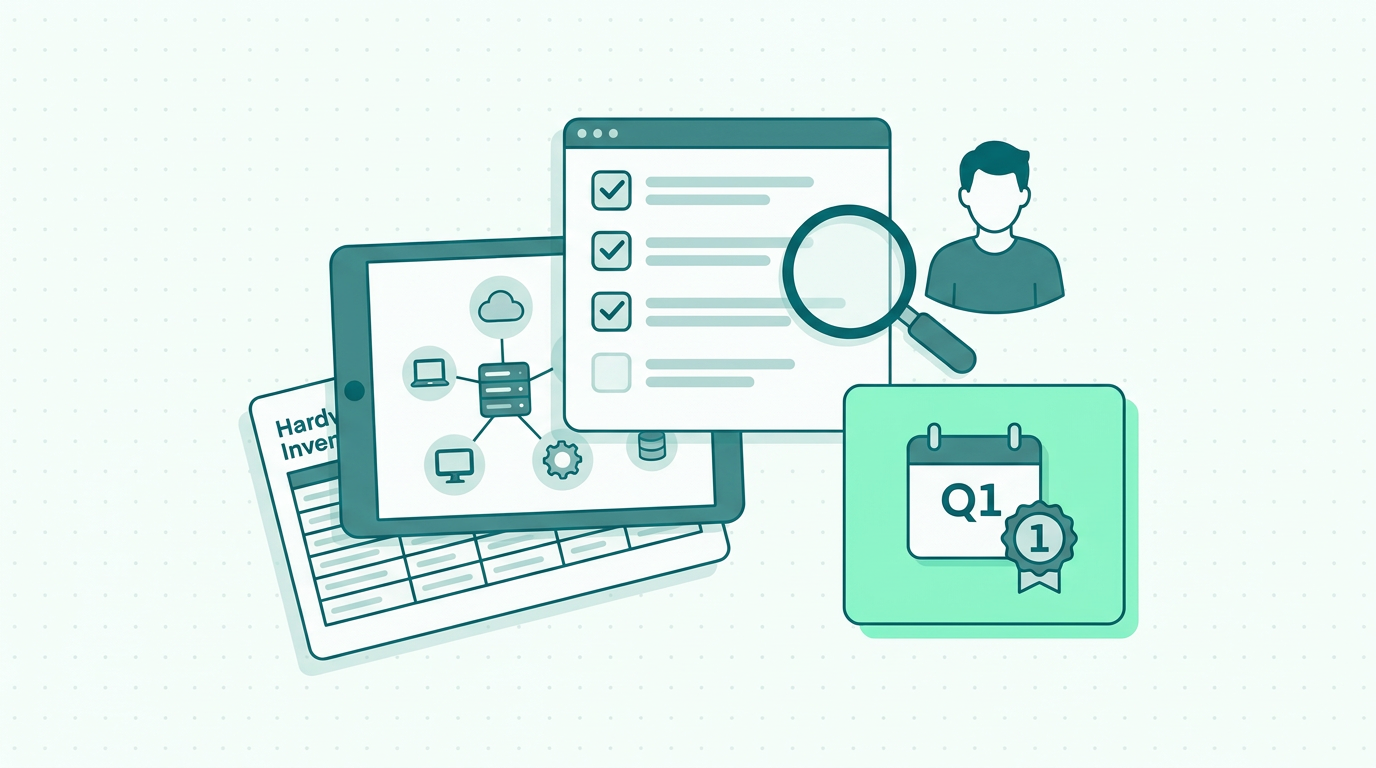
In today's fast-paced digital environment, businesses rely heavily on technology to drive operations and enhance productivity. Regularly reviewing your IT systems is not just a good practice; it is essential for maintaining efficiency, security, and alignment with business goals. A quarterly IT review helps identify potential issues before they escalate, ensures compliance with regulations, and keeps your technology infrastructure up-to-date. By conducting these reviews, businesses can better manage their IT investments and ensure that their systems remain robust and responsive to changing demands.
However, many business owners and IT managers may feel overwhelmed by the complexity of their IT landscape. That's where a structured quarterly IT review checklist comes into play, enabling teams to focus on the most critical aspects of their IT systems. This structured approach not only simplifies the review process but also fosters a culture of accountability and continuous improvement within the organisation.
Key components of a quarterly IT review checklist
A comprehensive quarterly IT review checklist should encompass various aspects of your technology infrastructure. To facilitate a thorough evaluation, consider including these key components: inventory of all IT assets, performance metrics of critical systems, security assessments, compliance checks, and cost analysis. Each of these areas plays a vital role in ensuring your IT ecosystem is functioning optimally. For instance, an inventory of IT assets allows you to understand what systems and software are in place, enabling better management of resources, planning for upgrades, and identification of redundancies.
Performance metrics help identify any bottlenecks or inefficiencies that may be affecting productivity. Additionally, security assessments are crucial in today's digital landscape where cyber threats are prevalent; they uncover vulnerabilities that could lead to breaches or data loss. Regular compliance checks ensure that your systems adhere to industry regulations, while a detailed cost analysis reveals opportunities for cost-saving and improved resource allocation. By integrating these components into your checklist, you’ll create a robust framework for evaluating your IT infrastructure.
- Inventory of IT assets
- Performance metrics of critical systems
- Security assessment
- Compliance checks
- Cost analysis
- User feedback and satisfaction
- Technology trends and innovations
Conducting a thorough inventory of IT assets
The first step in your quarterly IT review checklist should be to conduct a thorough inventory of your IT assets. This includes documenting all hardware, software, and cloud services used within your organisation. By having a clear understanding of what you have, you can better manage resources, plan for upgrades, and identify any redundancies. Additionally, a well-maintained inventory helps in ensuring that your business is compliant with licensing agreements and can assist during audits.
Tools like SystemMap can provide a visual representation of your IT landscape, making it easier to track assets and their respective owners, costs, and contracts. This visual mapping not only aids in asset management but also highlights any overlapping services or underutilised resources. Furthermore, engaging your IT team in this process can uncover insights about asset performance and lifecycle management, ensuring that you are not only aware of what you have but also how effectively those assets are being utilised. By utilising SystemMap, you can gain insights into your IT systems that may not be immediately apparent, helping you to make informed decisions during your review.
Evaluating performance metrics and system health
Another crucial component of the quarterly IT review checklist is evaluating the performance metrics and overall health of your systems. This involves analysing uptime, response times, and user satisfaction levels across your critical applications and services. By examining performance metrics, you can identify any areas that require attention, such as slow response times or frequent downtimes. These issues can significantly impact productivity and customer satisfaction, making it essential to address them promptly.
Furthermore, monitoring performance allows you to proactively plan for necessary upgrades or adjustments to your IT infrastructure. Consider establishing key performance indicators (KPIs) tailored to your organisation’s objectives, which can provide a clearer picture of how your systems contribute to overall business success. Utilising tools such as SystemMap can streamline this process by providing a clear overview of system performance and facilitating the identification of trends and patterns over time. Regularly reviewing these metrics can also help you anticipate future challenges and adapt your strategy accordingly.
Strengthening your security posture
In the current landscape of increasing cyber threats, strengthening your security posture should be a top priority during your quarterly IT review. This involves conducting a thorough security assessment, which includes reviewing firewalls, antivirus software, and data protection measures. Assessing your security protocols can uncover vulnerabilities and gaps that could be exploited by cybercriminals. Ensure that all software is up to date and that employees are trained on best practices for maintaining security.
Additionally, consider implementing a system for regular security audits to ensure ongoing compliance with industry standards. By leveraging SystemMap, you can document your security measures and track any vulnerabilities or incidents, fostering a culture of security awareness within your organisation. Moreover, consider incorporating employee feedback on security training and readiness, as frontline staff often have unique insights into potential security weaknesses. Regularly updating your security protocols in response to emerging threats will not only protect your data but also instil confidence in your clients and stakeholders.
Ensuring compliance with industry regulations
Compliance with industry regulations is another critical aspect of the quarterly IT review checklist. Depending on your sector, you may be subject to various regulations regarding data protection, privacy, and financial reporting. Regular compliance checks help ensure that your organisation meets necessary legal requirements and avoids costly penalties. This may involve reviewing data handling practices, conducting audits, and verifying that all systems and processes align with regulatory standards.
By addressing compliance proactively, you can mitigate risks and demonstrate to stakeholders that your organisation takes its responsibilities seriously. SystemMap can assist in documenting compliance efforts and tracking deadlines for required audits and assessments, providing peace of mind as you navigate the complex landscape of regulations. Additionally, consider establishing a compliance calendar that alerts your team to upcoming deadlines and requirements, ensuring that your organisation remains on track and prepared for any regulatory changes.
Analysing costs and resources for optimisation
Finally, a comprehensive quarterly IT review should include a detailed analysis of costs and resources associated with your IT systems. This involves evaluating monthly expenses related to software subscriptions, hardware maintenance, and IT support services. By understanding your costs, you can identify opportunities for optimisation, such as consolidating services or renegotiating contracts for better terms. Additionally, this analysis can help you forecast future IT budgets more accurately.
A visual overview of your costs and contracts, such as that provided by SystemMap, can simplify this process and facilitate data-driven decision-making. Regularly reviewing your IT expenses allows you to ensure that your organisation remains financially healthy while maximising the value of its IT investments. Furthermore, consider involving finance teams in this process to provide insights on budget allocation and spending trends. This collaborative approach can uncover additional opportunities for cost savings and resource optimisation across the organisation.
Taking action on your findings
After completing your quarterly IT review checklist, it is essential to take action based on your findings. This may involve addressing any identified issues, implementing new technologies, or reallocating resources to improve efficiency. Establishing an action plan with clear timelines and responsibilities will ensure that the necessary changes are made in a timely manner. Regular follow-ups and reviews of your action plan will help maintain accountability and ensure that your organisation continues to benefit from a well-managed IT infrastructure.
By utilising tools like SystemMap, you can document your action items and track progress over time, making it easier to maintain momentum and achieve your IT goals. Additionally, consider scheduling regular review sessions to assess the effectiveness of your action plan, allowing you to make adjustments as needed and adapt to any evolving business requirements. This proactive approach will not only enhance your IT management but also reinforce a culture of continuous improvement and operational excellence within your organisation.
So how do you implement your quarterly IT review checklist?
Implementing your quarterly IT review checklist requires a systematic approach that engages relevant stakeholders within your organisation. Start by scheduling regular review meetings, where you can discuss findings, share updates, and plan for necessary changes. Involve key personnel from various departments, as their insights can provide valuable context and help identify areas for improvement. Additionally, consider establishing a dedicated IT review team responsible for overseeing the process and ensuring accountability.
By fostering collaboration and open communication, you can create a culture of continuous improvement within your organisation. SystemMap can serve as an invaluable resource in this endeavour, providing a platform for collaboration and documentation of your IT landscape, making it easier for all stakeholders to engage in the review process. Also, consider leveraging feedback from team members and end-users to refine your checklist over time, ensuring it remains relevant and effective in meeting your organisation's needs.
New considerations for your quarterly IT review
As technology continues to evolve, it is important to adapt your quarterly IT review to incorporate emerging trends and innovations. Consider exploring the integration of artificial intelligence (AI) and machine learning (ML) technologies into your systems, as these can enhance data analysis and improve decision-making processes. Additionally, keep an eye on advancements in cloud computing, as these can offer new opportunities for scalability and efficiency.
By staying informed about the latest technological developments, you can ensure that your IT infrastructure remains competitive and aligned with industry best practices. Furthermore, consider evaluating potential impacts of remote work and the rise of hybrid working models on your IT systems, as this may necessitate updates to your security measures and resource allocation. Adapting your quarterly IT review to address these evolving needs will position your organisation for long-term success.
Frequently overlooked areas in IT reviews
During quarterly IT reviews, certain areas may be frequently overlooked, leading to potential vulnerabilities and inefficiencies. One such area is user training and awareness; ensuring that employees are equipped with the knowledge to use IT systems effectively is crucial for maximising productivity. Additionally, consider evaluating the impact of legacy systems, which may hinder performance and security; assessing their relevance in your current IT landscape can inform necessary upgrades. Another often-neglected component is vendor management; regularly reviewing vendor performance and service agreements can uncover opportunities for improvement or renegotiation. By addressing these overlooked areas, you can create a more comprehensive IT review process that better supports your organisational goals.
Frequently asked questions
01What is a quarterly IT review?
A quarterly IT review is a systematic evaluation of an organisation's IT systems and processes conducted every three months. It aims to assess performance, security, compliance, and costs to ensure that technology supports business goals effectively.
02Why is it important to conduct regular IT reviews?
Regular IT reviews help identify potential issues before they escalate, ensure compliance with regulations, and promote cost-effectiveness. They also enable businesses to optimise their technology infrastructure and respond to changing demands.
03What should be included in a quarterly IT review checklist?
A comprehensive quarterly IT review checklist should include an inventory of IT assets, performance metrics, security assessments, compliance checks, cost analysis, user feedback, and technology trends. These components ensure a thorough evaluation of your IT landscape.
04How can SystemMap assist in the quarterly IT review process?
SystemMap provides a visual overview of your IT systems, allowing you to document assets, track performance metrics, and manage costs effectively. It simplifies collaboration and ensures that all stakeholders are engaged in the review process. Additionally, SystemMap can help manage compliance documentation and track deadlines, contributing to a more organised review.
Ready to see your own systems clearly?
Map your IT landscape in minutes. Free to start.
Start free