Strategy · 13 Nov 2026 · 8 min read
Essential SaaS offboarding checklist for seamless transitions
Ensure a smooth transition with our comprehensive SaaS offboarding checklist. Manage contracts, access, data, and more effectively.
By SystemMap
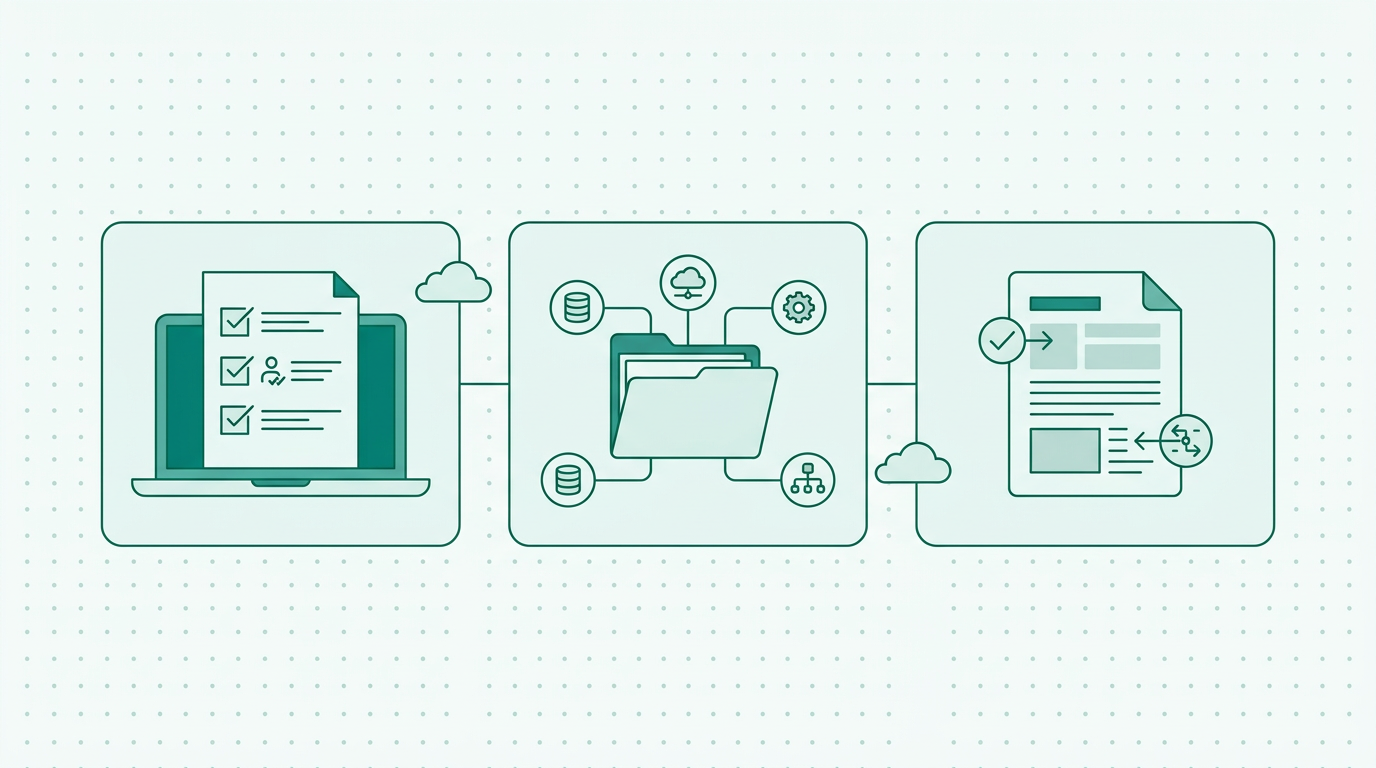
Why a SaaS offboarding checklist is crucial for businesses
In today’s fast-paced digital environment, businesses increasingly rely on Software as a Service (SaaS) solutions for various operational needs. These platforms offer flexibility, scalability, and ease of access, allowing organisations to optimise their workflows and enhance productivity. However, as companies grow and evolve, there may come a time when they need to offboard from a SaaS provider. This could be due to changing business requirements, budget constraints, or a transition to a different software provider that better meets their needs. Having a well-structured offboarding checklist is essential in these circumstances.
This checklist not only ensures that the offboarding process is seamless and efficient but also mitigates risks associated with data loss, security breaches, and compliance issues. The process can be complex, involving the management of systems, user access, and contractual obligations, which can be overwhelming. However, employing a systematic approach allows businesses to navigate these challenges effectively. Tools like SystemMap can assist in visualising and documenting your IT systems, helping you manage the offboarding process with clarity and confidence. This proactive planning and structured execution can safeguard your business's interests during transitions and set the groundwork for more successful software management in the future.
Key components of a comprehensive SaaS offboarding checklist
A well-rounded SaaS offboarding checklist should encompass several key components, ensuring all aspects of the transition are addressed. Firstly, it is crucial to review contracts and service agreements to understand the implications of terminating the service. This includes identifying any notice periods, refund policies, and contractual obligations that need to be fulfilled. Businesses must also ascertain if there are any penalties associated with early termination that could impact their financials. Secondly, managing user access is vital. Ensure that all user accounts are promptly deactivated to prevent unauthorised access to sensitive data.
This step is essential to protect your company’s information and maintain compliance with data protection regulations. Thirdly, data management comes into play; businesses must decide what to do with the data stored within the SaaS application—whether to export, archive, or delete it. It’s important to establish clear protocols for data handling to ensure compliance with legal and regulatory requirements. Fourthly, communication is key; informing all stakeholders, including team members and the provider, about the offboarding process helps maintain transparency and ensures that everyone is on the same page regarding timelines and responsibilities. Lastly, evaluating the financial implications, including any final payments or outstanding fees, is essential to avoid unexpected costs. Each of these components plays a significant role in ensuring a smooth offboarding experience, and neglecting any one of them could lead to complications down the line.
Step-by-step guide to effective SaaS offboarding
To facilitate a successful offboarding experience, it can be helpful to break down the process into manageable steps. Start with an initial assessment of the SaaS service in question. Conduct a thorough evaluation of how the service has been utilised and document any critical data or workflows associated with it. This may involve identifying key metrics and performance indicators that measure the software's impact on your operations. Following this, review your contractual obligations and set a timeline for the offboarding process. It is important to establish clear deadlines for each phase, ensuring that all tasks are completed in a timely manner. Next, communicate with relevant stakeholders to ensure everyone is informed and aligned on the transition.
This includes notifying team members who use the service, as well as any third parties who may be affected. Clear communication can help mitigate any disruptions to your daily operations. Once communication is established, proceed to deactivate user accounts and securely back up any necessary data. Ensure that data backups are appropriately stored, following best practices for data security. It’s also advisable to document the entire process for future reference, including any lessons learned during the transition. Tools like SystemMap can assist in visualising these steps, providing a clear overview of systems, data flows, and responsibilities throughout the offboarding process. This visualisation can significantly enhance the effectiveness of your offboarding strategy, making it easier to track progress and ensure compliance with all necessary protocols.
Common pitfalls to avoid during SaaS offboarding
Navigating the offboarding process is not without its challenges. One common pitfall is failing to communicate effectively with team members, which can lead to confusion and potential data loss. Ensure that everyone involved is aware of the offboarding timeline and their responsibilities. Regular updates and feedback loops can help keep the team engaged throughout the process. Another issue is neglecting to secure data properly; whether deleting or transferring data, it’s crucial to follow best practices to avoid breaches. Data breaches can lead to significant legal and financial repercussions, so organisations must treat this aspect with the utmost seriousness.
Additionally, overlooking contractual obligations can result in unexpected costs or legal complications. Always double-check the terms of your contract to avoid any surprises. This includes understanding any clauses related to data retention and service discontinuation. Finally, it’s important not to rush through the process. Taking the time to carefully manage each step will significantly reduce the risk of errors and help maintain business continuity. By being mindful of these common pitfalls and addressing them proactively, businesses can ensure a more successful offboarding experience.
Utilising SystemMap for effective SaaS offboarding
SystemMap is an invaluable tool that can enhance the SaaS offboarding process. By visualising your IT systems and documenting all relevant information, SystemMap allows businesses to maintain a clear overview of systems, owners, costs, and contracts. During offboarding, users can easily track which systems are in use, who the owners are, and when contracts expire. This transparency helps ensure that no critical steps are overlooked.
The platform's AI-assisted suggestions can help streamline the documentation process, making it easier to manage data exports and user access. Moreover, SystemMap’s ability to create a visual representation of your operational dependencies can greatly aid in identifying potential risks during the offboarding process, allowing for a more controlled and informed transition. Businesses can leverage its features to create a structured offboarding plan that integrates seamlessly with their existing workflows. By centralising information and providing a holistic view of their IT ecosystem, organisations can make informed decisions that minimise disruption and enhance overall efficiency.
The importance of a well-executed offboarding process
A well-executed offboarding process is not just about terminating a service; it is an opportunity to reassess your business's software needs and optimise operations. By conducting a thorough review of the offboarding process, businesses can identify areas for improvement and ensure that future transitions are handled more efficiently. This reflective practice can lead to better software procurement strategies and enhanced operational effectiveness. Moreover, a careful offboarding process helps maintain compliance with regulatory requirements, safeguarding the organisation against potential legal issues.
This is particularly crucial in industries with strict compliance standards, such as finance and healthcare. Ultimately, investing time and resources into a structured offboarding approach can yield significant long-term benefits, positioning the business for success in future transitions. It allows organisations to learn from each experience, refining their processes over time and fostering a culture of continuous improvement.
So, how do you ensure a smooth SaaS offboarding experience?
To ensure a smooth SaaS offboarding experience, it is essential to follow a structured approach, utilising checklists and documenting processes. By leveraging tools like SystemMap, businesses can create a visual overview of their IT systems and streamline the offboarding process. As a first step, develop a comprehensive checklist that includes all relevant components, from contract reviews to data management. Ensure that communication lines are open and that all stakeholders are aware of their responsibilities. This collaborative approach can significantly enhance the effectiveness of the transition.
Regular check-ins and updates can help to keep everyone on track and address any concerns as they arise. By taking the time to carefully manage each step and utilising available resources, you can significantly reduce the risk of errors and ensure a successful transition. A well-planned offboarding experience not only protects your business but also sets the stage for future success. It fosters a culture of accountability and preparedness, ensuring that your organisation is well-equipped to handle any future software transitions smoothly.
Frequently asked questions
01What is SaaS offboarding?
SaaS offboarding refers to the process of terminating a subscription or contract with a Software as a Service provider. It involves a series of steps to ensure data security, compliance, and a smooth transition away from the service. This process includes assessing the current use of the software, managing user access, and documenting data handling procedures.
02Why is a checklist important for SaaS offboarding?
A checklist is important for SaaS offboarding as it helps businesses systematically address all necessary steps, reducing the risk of overlooking critical tasks such as data management, user deactivation, and contract reviews. A well-structured checklist can streamline the process, ensuring that no vital element is missed, thus safeguarding the company's interests during the transition.
03What should be included in a SaaS offboarding checklist?
A SaaS offboarding checklist should include the following components: contract reviews to understand termination clauses, user access management to deactivate accounts, data handling procedures to ensure secure data transfer or deletion, stakeholder communication to keep everyone informed, and a review of financial implications associated with the termination to avoid unexpected costs. Including these components will ensure a thorough offboarding process.
04How can SystemMap assist with the offboarding process?
SystemMap assists with the offboarding process by providing visualisation of IT systems, helping document system records, owners, costs, and contracts. This clarity aids in managing the offboarding process effectively. By using SystemMap, businesses can easily keep track of their systems, ensuring that nothing falls through the cracks during the transition. Additionally, the platform's AI-assisted features can enhance documentation and data management, further simplifying the process.
Ready to see your own systems clearly?
Map your IT landscape in minutes. Free to start.
Start free