Strategy · 7 Oct 2026 · 9 min read
A comprehensive checklist for switching your MSP
Learn the essential steps for switching your MSP with our comprehensive checklist. Ensure a smooth transition and better IT management.
By SystemMap
Why switching your MSP can transform your business
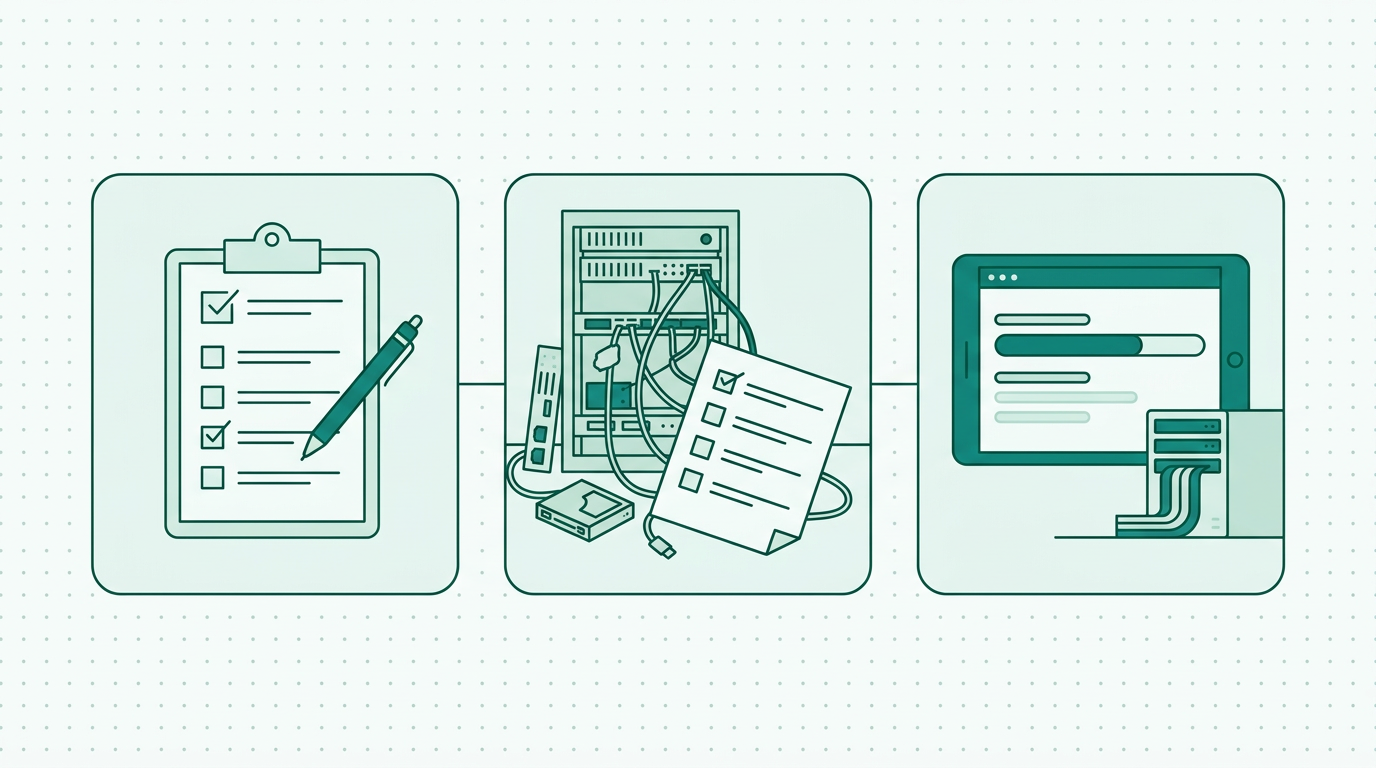
Making the decision to switch managed service providers (MSPs) is a significant step for any business, and using a switching msp checklist can help streamline the process. As technology continues to evolve rapidly, the demands on IT systems and the services that support them are growing increasingly complex. A poor fit with your current provider can lead to operational inefficiencies, rising costs, and limited support. For many businesses, staying with an MSP that fails to meet their needs becomes more detrimental than the challenges associated with making a change. Switching MSPs can provide an opportunity for better alignment with your business goals, access to innovative technologies, and improved support. However, to ensure a seamless transition, it is crucial to follow a comprehensive checklist that will guide you through the key steps involved in switching your MSP. By taking a structured approach, you can ensure that the new provider not only meets your immediate requirements but also positions your business for long-term success.
Assessing your current MSP relationship
Before embarking on the process of switching MSPs, it is vital to conduct a thorough assessment of your current relationship. Begin by evaluating the services provided by your existing provider. Are they meeting your expectations in terms of service level agreements (SLAs), responsiveness, and technical expertise? Consider gathering feedback from your internal team to identify pain points, such as delays in support or inadequate communication. Additionally, review your current contracts, including any clauses related to termination, as well as the financial implications of switching providers. This will help you understand the potential costs involved in transitioning, including any penalties for early termination. Consider the implications of data migration and downtime, as these can affect your operations. Armed with this information, you will be better positioned to identify your needs moving forward and to find a new MSP that aligns with your business objectives. A comprehensive assessment is not just about identifying flaws; it also provides insights into what has worked well, allowing you to leverage those strengths in your new partnership.
Defining your business requirements
Once you have assessed your current MSP relationship, the next step is to define your business requirements. This involves identifying the key services your organisation needs and any specific goals you have for the new MSP relationship. For instance, do you require enhanced cybersecurity measures, better data backup solutions, or cloud services? Furthermore, consider your budget constraints and how these will impact your choice of provider. Creating a detailed list of requirements will serve as a foundation for evaluating potential MSPs. It is also beneficial to involve key stakeholders in this process to ensure that all perspectives are considered, especially those from IT, finance, and operations. This collaborative approach will help you compile a comprehensive checklist that addresses the needs of your entire organisation. Additionally, think about future growth and scalability in your requirements, as your new MSP should have the capacity to evolve alongside your business, accommodating increased workloads and new technologies as they emerge.
Research potential MSPs
With your business requirements clearly defined, the next step is to research potential MSPs. Begin by looking for providers that specialise in the services you require. A targeted search will yield better results than a broad approach. Consider factors such as the MSP's reputation, industry certifications, and experience within your sector. Online reviews, testimonials, and case studies can offer invaluable insights into the performance of prospective MSPs. Moreover, reaching out to your professional network for recommendations can be beneficial, as word-of-mouth referrals often lead to trustworthy providers. Look for MSPs that have a proven track record of success in similar organisations or industries. Once you have compiled a shortlist of potential candidates, arrange meetings or consultations to discuss your needs and evaluate their capabilities. Prepare questions that will help you assess their technical expertise, customer support, and approach to service delivery. During these meetings, pay attention to how well they understand your industry's specific challenges and how they propose to address them.
Evaluating proposals and contracts
After consulting with potential MSPs, you will likely receive proposals outlining their services and pricing structures. It is essential to evaluate these proposals carefully. Look beyond the price and consider the value offered by each MSP. Pay attention to the specific services included, response times, and any additional fees that may apply. Understanding the terms of the contracts is equally important. Ensure that you read the fine print, including clauses related to service levels, termination, and data ownership. Negotiate terms that align with your organisation's needs and seek clarification on any areas that seem vague or overly complex. Having a clear understanding of the contractual obligations will help you avoid unpleasant surprises down the line. Furthermore, consider seeking legal advice to review the contracts, ensuring that your interests are well-protected and that you fully understand the implications of the agreement. A well-negotiated contract sets the foundation for a successful partnership with your new MSP.
Planning the transition process
Once you have selected a new MSP, it is time to plan the transition process. A well-structured plan is critical to ensure minimal disruption to your business operations. Start by establishing a timeline for the transition, which should include key milestones and deadlines. Coordinate with both your outgoing and incoming MSPs to facilitate the transfer of data, services, and any necessary equipment. It is also advisable to set up regular check-ins with your new provider during the initial stages to ensure that everything is on track. Additionally, consider how you will communicate the change to your team and stakeholders. Clear communication will help manage expectations and address any concerns your employees may have about the transition. Establish a feedback mechanism to capture employee concerns during the transition, allowing for adjustments to be made as necessary. Documenting the entire process will also help in future transitions and provide a reference point for staff who may be involved in similar changes.
Training and onboarding with the new MSP
Training and onboarding are crucial components of a successful transition to a new MSP. Once the services are in place, your team will need to familiarise themselves with the new systems and processes. Schedule training sessions to educate your staff on how to effectively utilise the new tools and services provided by the MSP. This may include training on new software applications, cybersecurity protocols, or communication tools. Additionally, ensure that your new MSP provides adequate support during this onboarding phase. Their expertise will be invaluable in helping your team adapt to the new environment and ensuring that any questions or issues are addressed promptly. A well-supported onboarding process will enhance user adoption and foster a positive relationship with your new provider. Consider also developing a resource hub containing guides and FAQs to assist staff during the transition and beyond. This could include video tutorials, documentation, and a point of contact for ongoing questions.
Monitoring performance after the switch
After successfully switching MSPs, it is important to monitor their performance closely. Establish key performance indicators (KPIs) that align with your business objectives and service expectations. Regularly evaluate the MSP's performance against these KPIs to ensure they are delivering the promised services. Schedule periodic reviews with the MSP to discuss performance metrics, address any concerns, and make any necessary adjustments to the service agreement. This ongoing relationship management will help you maintain a strong partnership and ensure that your IT systems continue to meet your evolving business needs. Consider incorporating feedback from your internal team into these reviews, as their insights can highlight areas for improvement and strengthen the collaborative relationship. Regular performance monitoring not only provides assurance that the MSP is meeting your needs but also fosters a proactive approach to managing your IT environment.
Benefits of using SystemMap during the transition
Throughout the process of switching MSPs, using a tool like SystemMap can significantly enhance your transition experience. SystemMap allows you to visualise and document all of your company’s IT systems, presenting a clear overview of system dependencies, costs, and contracts. By creating a visual map of your existing systems, you can identify which services need to be transitioned to your new MSP and highlight any potential operational dependencies that could affect the changeover. This comprehensive overview not only facilitates a smoother transition but also aids in ongoing management of your IT landscape. As you bring your systems, owners, costs, and contracts into one visual overview, you will gain valuable insights into your IT environment, making it easier to communicate your needs and expectations with your new provider. Start by creating a SystemMap account today to gain clarity on your business systems. Free during our growth phase, no credit card required. Additionally, having a clear visual representation can aid in onboarding discussions, ensuring that both your internal teams and the new MSP are aligned on expectations from the outset.
- Assess your current MSP relationship
- Define your business requirements
- Research potential MSPs
- Evaluate proposals and contracts
- Plan the transition process
- Train and onboard with the new MSP
- Monitor performance after the switch
- Utilise SystemMap for effective transitions
Frequently asked questions
01What are the main reasons for switching MSPs?
Common reasons for switching MSPs include poor service delivery, lack of responsiveness, inability to meet evolving technology needs, and higher costs. Often, businesses find that changing providers allows them to better align their IT strategy with their overall business goals. Furthermore, a switch can introduce new technologies and innovative solutions that better support the organisation's objectives, thus enhancing efficiency and productivity.
02How long does it take to switch MSPs?
The duration of switching MSPs can vary based on the complexity of your IT systems and the services involved. A well-planned transition can take anywhere from a few weeks to a couple of months. It's essential to establish a clear timeline and communicate effectively with both your outgoing and incoming MSPs. Factors such as data migration, training requirements, and the readiness of the new MSP’s systems will also impact the overall timeline.
03Will switching MSPs disrupt my operations?
While there is potential for disruption during the transition, careful planning and effective communication can significantly mitigate this risk. Establishing a detailed transition plan and working closely with both MSPs can help ensure a smooth changeover. Additionally, preparing for contingencies, such as backup systems or temporary support, can further ease operational strain during the switch.
04How can I ensure a successful transition?
To ensure a successful transition, conduct a thorough assessment of your current MSP, define your business requirements, research potential providers, and plan the transition meticulously. Additionally, training your staff and monitoring performance after the switch are critical steps in maintaining a successful relationship with your new MSP. Engaging with your new provider early on and establishing open lines of communication will also facilitate a smoother transition.
Ready to see your own systems clearly?
Map your IT landscape in minutes. Free to start.
Start free